Milhares de jogos, contas seguras e pagamentos instantâneos fazem deste site o favorito dos jogadores. Seja iniciante ou experiente, viva a emoção na Funbet. Gamblezen is a mobile-first casino built to deliver smooth, on-the-go gaming straight from your smartphone. Benefit from fast withdrawals and a wide range of games at Gamblezen.
Categories
Finance

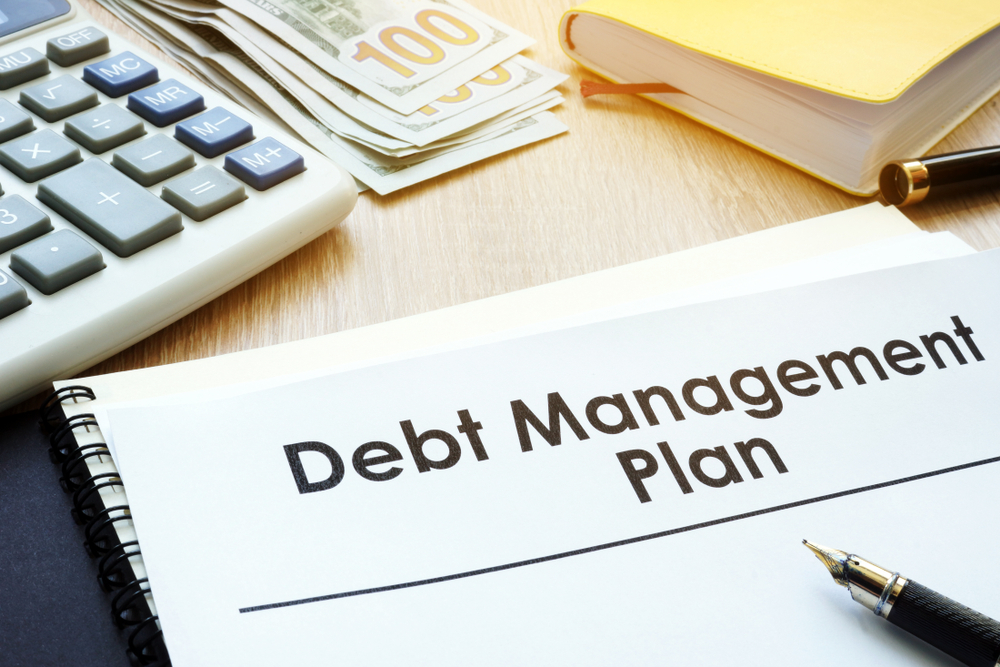
I am in a Debt Management Plan and need a loan

One on the most popular questions we get asked is “I am in a debt management plan and need a loan”

While it’s not illegal to get a loan while in a debt management plan, it’s often a bad idea. Mant Charity DMP providers such as Stepchange or Payplan will usually have in their terms and conditions that you do not take out any further credit while on your DMP, but some private providers may well have a different policy. Furthermore all lenders in the UK will run credit checks and unless there’s been an administration error, your Debt Management Plan will show on your credit report as missed or late payments.

Improving Your chances of getting a loan if you are in a Debt Management plan:


Whether you want to apply for a loan or other forms of credit, here is some advice.

Tidy up your credit report as much as possible. Make sure all accounts are up to date. You should also look into paying off old debts if possible. Lenders like to see settled debts that have been paid on time when they are considering your loan application.

If you have been employed by the same company for a number of years, this will go in your favour. Changing jobs before applying for a loan is a usually a bad idea.

If you are considering a loan, it is a good idea to speak to your DMP advisor first. This is because your current creditors have most likely reduced or frozen their interest and might not want to continue with the plan if you are taking out more credit.

If you can possibly avoid it, it’s best to avoid taking on further credit during a DMP. If you take out a loan while on a Debt Management Plan there is a chance that your DMP will be withdrawn.

Loans and Debt Management Plans

Life sometimes brings surprises and we understand that sometimes people get unexpected costs while in a Debt Management Plan, there are other options for dealing with it than taking out a loan. The number one thing you should do when faced with an emergency expense is to contact your Debt Management Plan provider. It is entirely possible that your creditors may allow you to reduce your monthly payments, or even take a payment holiday for a couple of months.

If you are in a Debt Management plan and still feel that you need a loan, its best to speak to a friend or family member as obtaining credit via a mainstream lender his highly unlikely.

Categories
Debt

Does Debt Die With You?

One of the questions we get asked here at gettingoutofdebt.co.uk is “Does Debt Die With You?” I suppose death could be considered the ultimate way to get out of debt, but death isn’t always the end of the problems for your loved ones.

Debt is a worrying trend for older people in the UK. The Citizens Advice Bureau in England and Wales coped with 6,519 brand new debt issues daily throughout the entire year to March 2020

‘Historical’ debt

Based on Claire Mcdowed, debt information development supervisor, when someone dies their debts don’t die all-together.

“Technically speaking, should you pass onto the next life, it’s the obligation of your estate to cover any debts. In case you don’t have any estate, or property is not enough to pay all obligations, they have written off and lenders can’t pursue surviving household members, however big the debt. But, there are a number of exceptions.”

With unsecured loans, in the event the debt is in joint names, it’s very likely that another family member could have signed a”joint liability arrangement” if the debt has been removed, states Ms Mcdowed.

This means that if one of those party ceases paying off the debt, due to financial difficulties or passing, another named party Would Need to pay the balance.

“Broadly speaking, if you’re joint tenants, then you both possess the whole residence, so if you pass on, the living party automatically becomes sole proprietor.

“But if a party has undergone a debt problem previously and the land was introduced to the equation, for example in bankruptcy, this may automatically alter a valuable joint tenancy to a tenants in common arrangement and this is not automatically reversed.

“This can indicate a historical debt problem can cause surprises upon the passing of a single party.”

Debt after Death

In accordance with Age UK, many elderly people are also unaware of the service they could receive also.

“We all know tons of elderly individuals aren’t promising benefits they’re eligible for, and therefore it would be good to prevent people needing to take on debt they perhaps do not desire if they simply got all of the help they might.”

Mr Barber’s everyday life is influenced by his own debt. He’s had to sell his car since he Cannot manage to use it and doesn’t socialise because he can’t manage to venture outside, but he remains optimistic about the future:

“I have only got to work and attempt to do something to get myself from it if I would like to return to the lifestyle I had earlier, and that’s my motivation.”

Things to check for when checking, Does Debt Die With You:

Not all of joint debts are in fact joint. For example, credit cards have been not lent to a joint status in many cases. Rather there’s 1 account holder that will ask for additional cards for authorised users.

Life pay (mortgages) – inclined to pay off the Entire balance and eliminate the house by the deceased’s estate (in which it might have otherwise shaped part)

Based on data from StepChange, individuals aged over 60 are less inclined to seek debt help than young men and women. But, it seems that at any given age folks are reluctant to seek assistance.

A recent poll found 69 percent of adults in debt haven’t asked for guidance on handling their debts.

These include what sort of debt it had been, if it had been procured against whatever, if there was a guarantor or insurance and when there are sufficient assets left in the property. Unless the living relatives are co-signers or guarantors of the loan, then they won’t be responsible for paying off any debts from their own pocket.

Whenever someone dies, their debts turned into a responsibility in their estate. The executor of the property, or the secretary if no Will has been left, is in charge of paying any outstanding debts.

When there’s insufficient cash or resources from the estate to repay all of the debts, then the creditors will be paid in priority order until the cash or assets dry up. Any residual debts are most likely to be written off.

If no property is left, then there’s absolutely no cash to repay the debts and the debts will typically die with the debtor.